College Station Septic Systems: Aerobic Septic System Installation in College Station, TX
College Station Septic Systems is a licensed and insured OSSF installer serving unsewered property across College Station, Bryan, and the Brazos Valley. We install aerobic treatment systems, convert failed conventional systems to aerobic, handle the county permitting, and carry the maintenance contracts the state requires. Our customers are homeowners on county acreage, builders putting homes on tracts past the end of the sewer, and owners of older systems that have finally given out.
On Brazos County clay, the soil usually makes the decision. Heavy, slow-draining ground will not accept the water a conventional trench field needs, so many lots here pass only as aerobic designs. An aerobic unit treats the waste inside the tank with forced air, then sprays or drips the clean water over a small area instead of soaking it away through a large buried field. We read the soil first, design to it, and quote off the result rather than over the phone.
Call for a Free Estimate- Licensed and insured OSSF installer in TX
- Soil evaluation before any number
- Aerobic systems, spray or drip dispersal
- County permit pulled before a machine moves
- Maintenance contracts carried and serviced
Aerobic Septic Installation
An aerobic system forces air into the treatment tank so the bacteria digest the waste far more completely than a sealed conventional tank can. The water leaves clean enough to spray or drip over a small area, which is why it fits the tight clay lots that a conventional field cannot serve.
We run the whole job: evaluation, design, county permit, tank set, electrical, and the spray or drip dispersal, with the inspection before cover. More on aerobic septic installation.
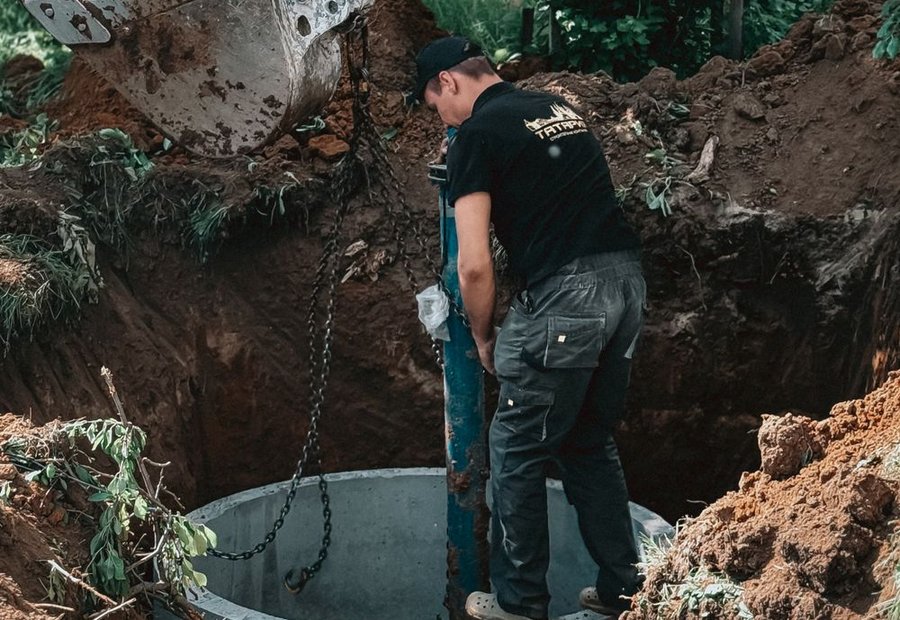

Conventional vs Aerobic
Conventional costs less and runs on nothing, but needs soil that drains and a large field. Aerobic costs more and carries a power draw and a required contract, but fits poor soil and small lots. The soil decides which one your parcel can carry.
Much of the Brazos Valley is clay that will not take water, which is why so many lots here end up aerobic. Compare the two systems.
OSSF Permitting and County Coordination
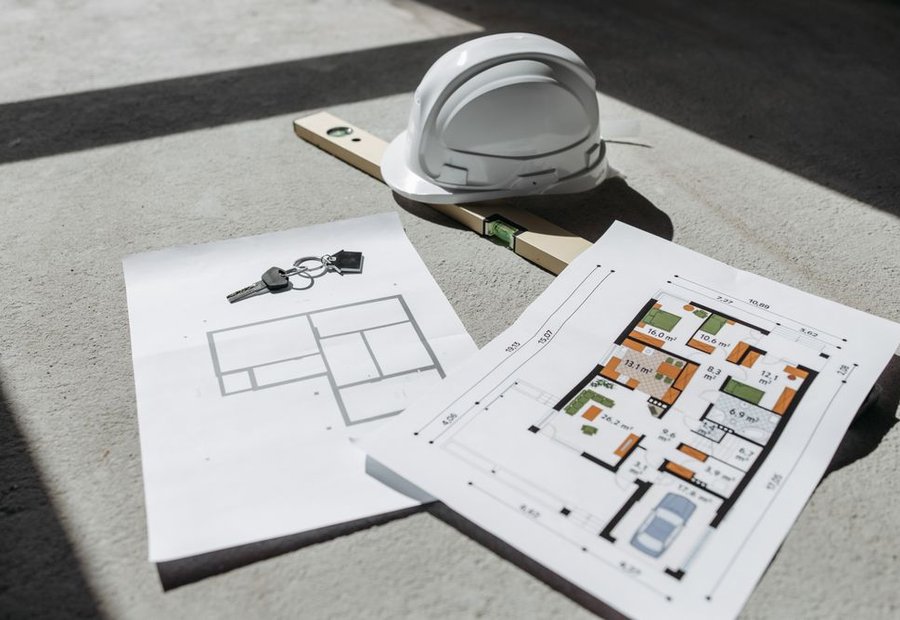
A septic job in Texas is a permitting job. The county acts as the Authorized Agent that reviews the design, issues the permit, and inspects the install. A complete package clears review; a weak one bounces back and costs weeks.
We assemble the evaluation, the design, the setbacks, and the application, file it with the right county, and meet the inspector on site. More on OSSF permitting.
Aerobic Repair and Maintenance
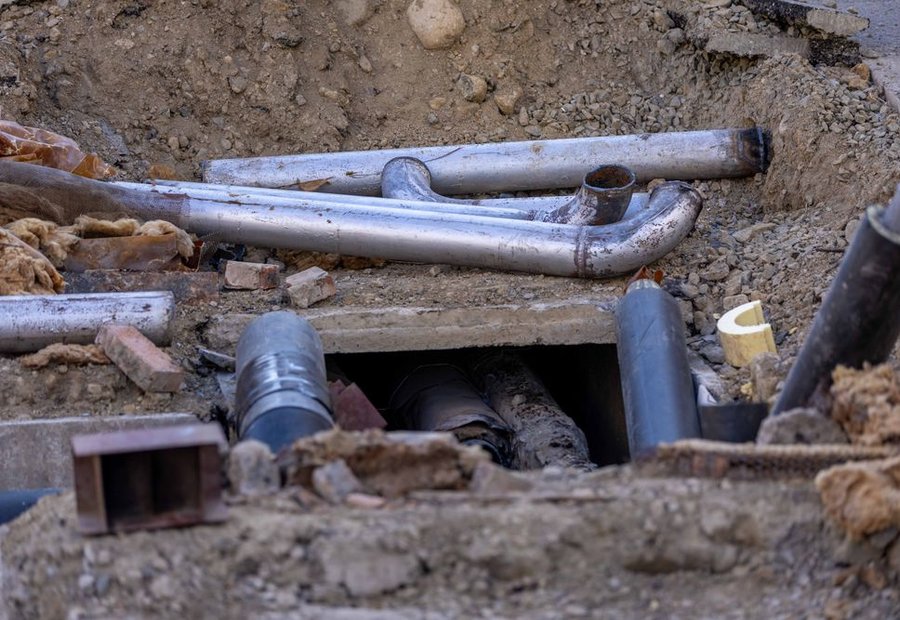
An aerobic system has a blower, a pump, floats, and spray heads, and those parts need service. A weak blower starves the treatment, a failed pump floods the tank, and a lapsed disinfection sprays under-treated water. The alarm warns you before the yard does.
We repair all of it and carry the maintenance contract the state requires, on our systems and on systems we did not install. More on repair and maintenance.
Site and Soil Evaluation
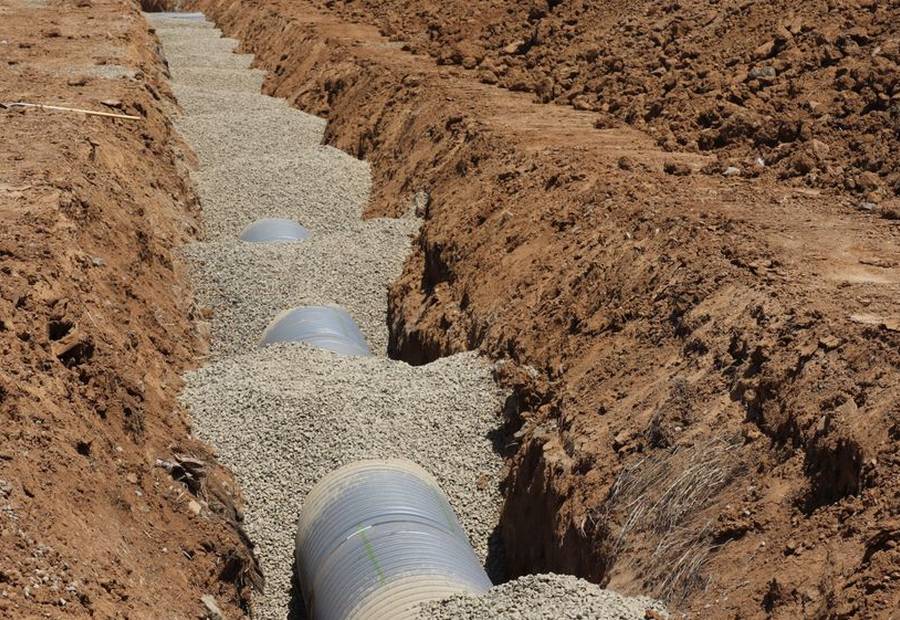
A percolation test only times water in a hole. A soil evaluation reads the profile: the texture, the layering, the wet-season water table, and the depth to hard clay. That report sizes the system and decides whether it can be conventional or has to be aerobic.
The evaluation comes before the price, because the ground sets the design and the design sets the number. Buying land? Test before you close. More on soil evaluation.
Why Brazos County Owners Call Us
- We read the soil before we quote. On this county's clay the ground decides whether your lot carries a cheap conventional field or an aerobic system. A number given before the soil is read is a guess. Start with site and soil evaluation.
- We explain the real trade between the two systems. Aerobic is not always the answer, and conventional is not always cheaper once the soil rejects it. See conventional vs aerobic.
- We handle the county, not just the digging. The permit is where most installs go wrong. We file a complete package and meet the inspector. See OSSF permitting.
- We carry the maintenance contract. An aerobic system has to stay under contract by law. We set the first one up and keep the service on schedule. See repair and maintenance.
- We mount the alarm where you will hear it. An aerobic system warns you before it backs up, but only if the panel is somewhere you notice. Small detail, large difference. See aerobic installation.
- We file in the right county. This service area crosses Brazos, Grimes, Burleson, Robertson, and Madison counties, each its own permitting authority. We file with the one your lot actually sits in.
How an Aerobic System Actually Works
Most people know septic as a tank and a field and nothing else. An aerobic system is a different animal, and understanding it explains every cost and every rule that comes with one.
Air Is the Whole Idea
A conventional tank is sealed and airless, and the bacteria inside work slowly. An aerobic treatment unit pumps air in with a blower, and oxygen-fed bacteria digest the waste far faster and far more completely. The water that leaves is clean enough that the code lets you spread it on the surface. That is the entire reason the system exists.
Treat, Settle, Disinfect, Disperse
The waste moves through a trash tank, then the aeration chamber where the air does its work, then a clarifier that settles the last solids. A spray system then disinfects the clean water, usually with a wastewater chlorine tablet, before a timed pump sends it to the spray heads or drip tubing. Each stage depends on the one before it. Lose the air and every stage after it suffers.
Why the Dispersal Is Small
A conventional field is large because the soil has to do the treatment as the water soaks down. An aerobic system already did the treatment in the tank, so the ground only has to receive the clean water. That shrinks the dispersal area dramatically, which is exactly why aerobic fits a lot that cannot hold a conventional field.
What the System Needs From You
Power, to run the blower around the clock and the pump on its timer. Disinfection kept up, so a spray system never lands under-treated water on the yard. And a maintenance contract, which the state requires and which keeps a licensed set of eyes on the system several times a year. None of that is optional, and a system run without it drifts toward a failure and a code problem at the same time.
The Alarm Is a Feature
The control panel watches the water level and the blower. A high-level alarm means the water is not leaving, and a blower fault means the treatment lost its air. Either one gives you warning days before the problem reaches the surface. A conventional system has no such warning. On an aerobic system, answering the alarm early is the difference between a service call and a cleanup.
How an Aerobic Install Runs
Read the Site
We walk the lot, find the well and the lot lines, and check where surface water runs. Then we open a soil pit or pull a boring to read the profile that decides the design.
Design to the Soil
The soil result sizes the system and settles spray against drip. The design holds every setback from the well, the lines, and any creek, and gets drawn for the county.
Permit
We file the package with the county that covers your parcel, answer the reviewer, and wait for the permit before a machine moves.
Install and Inspect
Tank set level, blower and panel wired, dispersal laid to its setbacks. The county inspects while everything is open, before any cover goes on.
Start Up and Contract
We start the unit, confirm the spray or drip runs right, backfill and grade, and set up the first maintenance contract the state requires.
What Moves the Price of an Aerobic System
Nobody can quote an aerobic system over the phone, and any site that prints one number for your county is guessing. On live Brazos Valley searches, installed aerobic systems run roughly eight to twenty thousand dollars, and where a job lands in that range comes down to a short list of things.
The soil result leads it. What your ground will accept sets the size and the type of dispersal. A lot that can take drip at a modest size costs less than one that needs a large spray area or extra treatment to pass.
The house size is next. Flow is sized off bedroom count, so a three bedroom and a five bedroom on the same road get different systems. Tell us the real count, including any future addition, before the design.
Then the site itself:
- Spray or drip dispersal, and how much area the soil requires
- Slope, and whether the layout has to follow a contour
- Access for the machine and how far material is hauled
- Depth to a seasonal high water table near a river bottom
- Whether an old failed system has to be pumped and abandoned first
- The run of the power feed to the blower and panel
This is why the evaluation comes before the number rather than after it. A quote written before anyone reads the soil is a guess wearing a letterhead.
Frequently Asked Questions
How much does an aerobic septic system cost in Brazos County?
On current local searches, installed aerobic systems run roughly eight to twenty thousand dollars. Where a job lands depends on what the soil will accept, the house size that sets the flow, spray against drip dispersal, the slope and access of the lot, and whether an old system has to be removed first. The soil evaluation comes before the number, because the ground sets the design and the design sets the price.
Why do so many lots here need aerobic instead of conventional?
Because the Brazos Valley carries heavy clay that drains slowly. A conventional trench field relies on the soil to accept and treat the water, and clay will barely do either. An aerobic system treats the waste in the tank, so the ground has far less to do, and a lot that would fail a conventional design can pass an aerobic one. The soil evaluation is what confirms which your parcel can carry.
Do I really have to keep a maintenance contract?
Yes. Texas rules require an aerobic system to stay under a maintenance contract with a licensed provider. The installer carries the first two years on a new system, and after that it renews. A lapsed contract is a code violation the county can act on, and it also means nobody is checking a system that sprays treated water across your yard. We set up the first contract and keep the service on schedule.
Do I need a permit, and who issues it?
Yes. Texas regulates on-site sewage facilities, and nearly every new system, conversion, or major repair needs a permit and an inspection before it is covered. The county where your lot sits acts as the Authorized Agent that reviews the design, permits the work, and inspects it. This service area crosses five counties, so we file with the correct one for your parcel.
Can you convert my old failed system to aerobic?
Often yes. When an old conventional field seals up and there is no room or no soil for a new one, converting to an aerobic unit with spray or drip dispersal is frequently the route that fits the lot. It takes a fresh soil evaluation, a new design, and a county permit, because the authority treats it as a new system. We look at what is in the ground and tell you honestly whether a repair or a conversion is right.
What keeps an aerobic system running well?
Air and attention. The blower has to keep feeding the treatment, the disinfection has to stay topped up on a spray system, and the pump and floats have to work. Scheduled maintenance catches a tiring part before it fails, and answering the alarm early keeps a small problem small. A system that is serviced and watched runs for many years.
My alarm is going off. What should I do?
Silence the audible alarm if your panel lets you, cut water use in the house, and call. A high-level alarm means the water is not leaving, which points at a pump, a float, or a dispersal problem. A blower fault means the treatment lost its air. Neither fixes itself, and the alarm is giving you time before the yard or the house sees it.
Should I test a lot before I buy it?
Yes. A soil evaluation on a parcel you are considering costs a small fraction of the system. It tells you whether the lot carries a cheap system or an expensive one, and whether the well and any creek leave room for a legal dispersal area. Knowing that before you close has talked more than one buyer out of a lot that could not be built on affordably.
Do you work outside Brazos County?
Yes. We work Brazos, Grimes, Burleson, Robertson, and Madison counties, including Bryan, Navasota, Caldwell, Hearne, Madisonville, Franklin, Anderson, and Iola. Each county is its own permitting authority under the same state rules, and we file with the right one. Call and tell us the parcel.
Clay, Rivers, and What Sits Under Your Lot
The Brazos Valley hands a septic installer one dominant problem and a second that shows up near the water. Both trace back to the ground, and both are why aerobic systems are so common here.
The dominant one is clay. Much of this region sits on heavy, expansive clay that swells in a wet spring and cracks open in a dry August. Water moves through it slowly, and a conventional trench field needs soil that drains. Slow clay starves that field, backs the system up, and fails. The cleaner effluent from an aerobic unit asks far less of the ground, which is why the clay so often settles the design before anyone argues about cost.
The second problem is water. Near the Brazos and the Navasota rivers, the bottomland carries a seasonal high water table that climbs in a wet winter. A buried field sitting in that water cannot treat or drain, and the mottling in the soil profile is how an evaluator finds how high the water reaches. The design then stays clear of it, which again points toward a shallow aerobic dispersal rather than a deep conventional trench.
The last piece is growth. College Station and Bryan keep pushing homes past the end of the sewer, and the counties around them are filling with acreage homesites. That gives this market both kinds of work at once: first systems on new tracts, and replacements on older country places where a field has finally run out. Both start the same way, with somebody reading the ground.
Aerobic Septic Across the Brazos Valley
We work unsewered property across Brazos County and the counties around it. Sewer here stops at the city edges, and everything past those lines runs on a septic system. That covers Bryan next door, Navasota and the Grimes County country southeast, Caldwell to the west, Hearne and Franklin up in Robertson County, Madisonville toward I-45, and the smaller places like Anderson and Iola in between.
Ready to Get Your Lot Looked At?
Call (979) 555-0142 for a free estimate. Tell us the parcel, how many bedrooms the house has or will have, whether there is an old system in the ground, and whether you are building new or replacing a field that failed. We will tell you straight whether you are looking at a repair, a new conventional field, or an aerobic system, and what the soil work has to settle before anybody can price it.