Aerobic Septic System Installation in College Station, TX
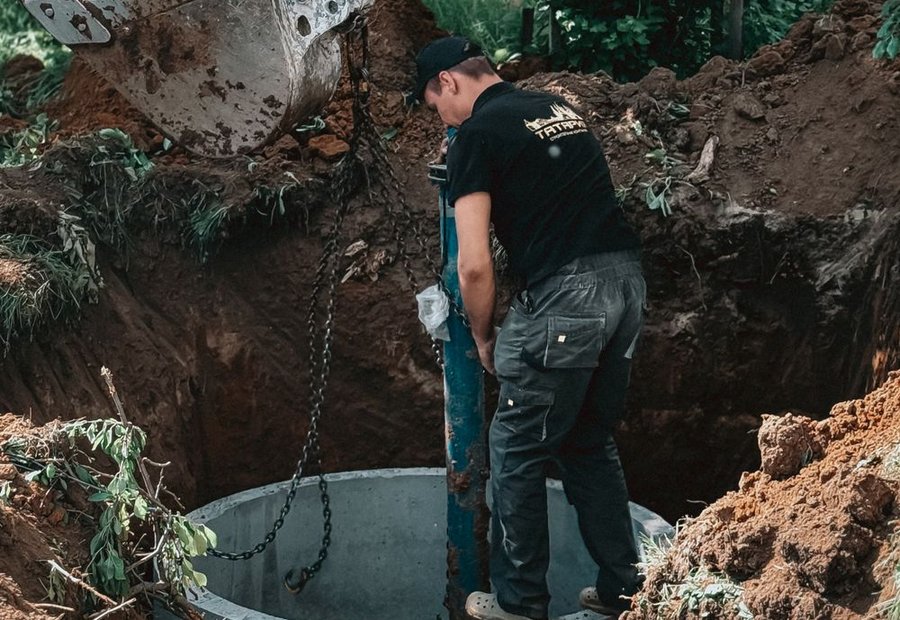
College Station Septic Systems installs complete aerobic treatment systems on unsewered lots across College Station, Bryan, and the Brazos Valley, Texas. We handle the whole job: the site and soil evaluation, the design, the permit application to the county, the tank set, the dispersal field, the electrical and the control panel, and the first maintenance contract the state requires. We are a licensed and insured OSSF installer, and OSSF is the Texas term for an on-site sewage facility, the system that serves any property the city sewer does not reach.
An aerobic system is built around a treatment tank that holds air. A blower feeds oxygen to the bacteria, the bacteria digest the waste far more completely than they can in a sealed conventional tank, and a clarifier settles what is left before a pump moves the treated water out. Because that water leaves much cleaner, the code allows it to disperse over a small area through spray heads or drip tubing rather than soaking away through a large buried trench field. On a Brazos County lot where the clay will barely accept water, that smaller dispersal footprint is often the only design the ground will pass.
The Order of Work on a New Aerobic Install
Site and soil evaluation first, because the soil result sizes everything after it. Then a design drawn to that result and stamped where the rules require it. Then the permit application to the county, which acts as the Authorized Agent under the state OSSF rules. Then the dig, the tank set and plumbing, the electrical feed to the blower and panel, and the spray or drip dispersal laid out to its setbacks. The county inspects before anything gets covered. Backfill, grade, and the first maintenance contract close it out. Skipping the front of that sequence to save a week is how a system ends up failing its inspection and getting rebuilt.
Setting the Tank and the Dispersal
The treatment tank goes in level on a prepared base so the internal chambers work the way the design intends. The blower sits at grade in a vented housing, the pump tank carries the float tree and the dosing pump, and the control panel mounts where the alarm can be heard from the house. For spray dispersal we lay the supply line and set the heads to cover the permitted area without throwing water across a property line. For drip we roll out the pressurized tubing in shallow passes. Either way the dispersal is sized off the soil report, never guessed from the size of the yard.
What You Decide, and When
Bedroom count and any planned addition, before the design, because flow is sized off bedrooms and a field built for three will not serve five. Where the dispersal area sits and what stays clear of it, at layout. Spray or drip, which the soil and the setbacks mostly settle for you. Access for the machine, before the dig. Everything else follows the soil report and the permit.
New Construction Around College Station
Builders on the edge of Brazos County lose weeks by ordering the septic work late. The evaluation, the design, and the county review run before a framer ever shows up, and none of it can start after the slab is poured. Get the ground read early. We design and quote whenever the ground allows, and we dig when the site is workable. Wet clay moves a start date, because a machine smearing a wet trench wall seals the very soil the system depends on. Call (979) 555-0142.
What exactly is an aerobic septic system?
An aerobic system pumps air into the treatment tank so oxygen-loving bacteria break down the waste. A conventional tank does the opposite and works without air. The extra oxygen produces a much cleaner effluent, clean enough that the code lets you spread it on the surface through spray heads instead of burying it in a large trench field. That is the trade. You get a far smaller dispersal area, and in return you run a blower around the clock and keep a maintenance contract on the unit.
How long does an aerobic install take?
The dig and set is usually one to three days once the permit is in hand. The calendar ahead of that is longer. A site and soil evaluation, the design drawn to match it, and the county permit review all run on their own clock before a machine moves. Plan for a few weeks from first call to a covered system, more if the weather keeps the ground wet. We will give you the real timeline for your lot, not a number meant to win the job.
Spray heads or drip tubing for the dispersal?
Both spread treated effluent over the yard instead of down a trench. Spray uses pop-up heads on a timed pump and needs open ground to land on. Drip runs the same water through shallow pressurized tubing, which suits a smaller or wooded lot and keeps the water under the surface. The soil evaluation, the lot size, and where the setbacks fall decide which one your design calls for. We size the dispersal off the report, not off a catalog.
Does an aerobic system need electricity?
Yes. The blower runs continuously and the pump runs on a timer, so the system carries a small steady power draw and an alarm that trips on a power loss or a pump fault. A conventional gravity system has nothing to plug in. That power dependence is one real cost of aerobic, and it is why we mount the control panel where you will notice the alarm rather than behind the system where nobody hears it.
Is the maintenance contract really required in Texas?
Yes. Under the state rules an aerobic unit must stay under a maintenance contract, and the installer carries the first two years on a new system. After that the contract renews with a licensed maintenance provider. This is not an upsell we invented. It is how the permit stays valid, and a lapsed contract is a code violation the county can act on. We set the first contract up as part of the install and explain what it covers.