OSSF Permitting and County Coordination in College Station, TX
A septic job in Texas is a permitting job as much as a digging job, and the permit is where an install goes wrong most often. College Station Septic Systems handles the full OSSF permitting process for systems in College Station, Bryan, and across Brazos County, from the first application to the final inspection sign-off. OSSF means on-site sewage facility, the legal name for any septic system serving a property the city sewer does not reach.
Texas writes the on-site sewage rules at the state level and then delegates the day-to-day work to local governments, which act as Authorized Agents. For most lots around College Station that agent is the county. The county reviews your design, issues the permit, and sends an inspector to check the install against the approved plan before anything is covered. Our job is to meet that office with a complete, correct package so your system clears review instead of bouncing back for missing pieces.
What the County Reviews
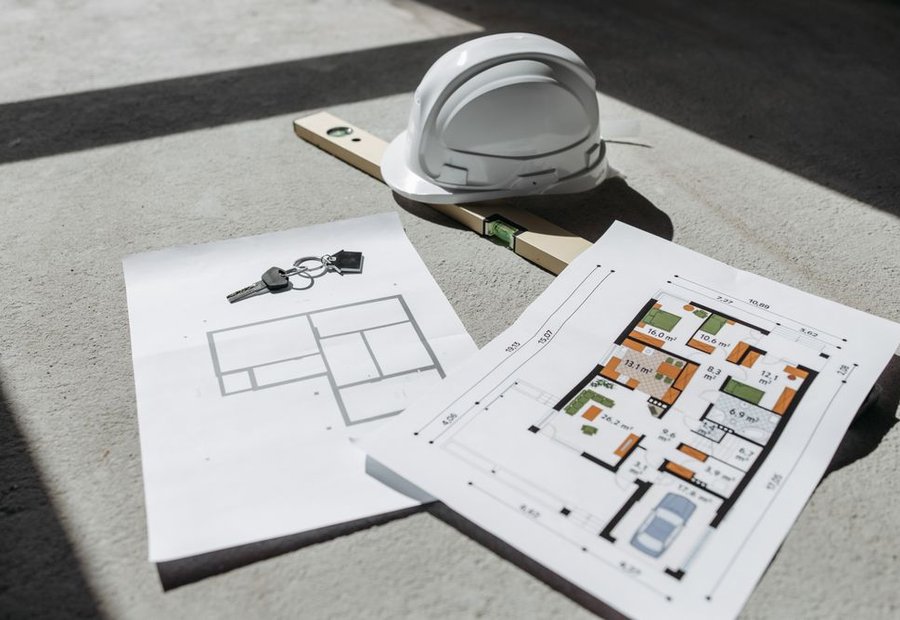
The application rides on four things. A site and soil evaluation of your actual parcel. A design sized to that soil result. A site plan showing the house, the well, the property lines, the easements, and every required setback. And, for an aerobic system, the treatment unit, the spray or drip dispersal, and the maintenance contract the state requires. When all four are right, the review is routine. When one is weak, the reviewer stops and asks, and that is where weeks get lost.
Setbacks Are Where Small Lots Get Hard
The rules set minimum distances between the system and a water well, the lot lines, the foundation, easements, and any pond or creek. On an acre with a well in the wrong corner, those distances can leave only one workable spot for the dispersal, and sometimes they are what pushes a design to drip tubing or to aerobic treatment with a tighter footprint. We measure the setbacks on the ground and draw them on the plan so the county can see each one holds.
The Inspection and the Sign-Off
The county inspects while the system is still open, because a buried system cannot be checked. We schedule that inspection at the right point, have the tank, plumbing, and dispersal exposed for it, and fix anything the inspector flags before backfill. The sign-off that follows is the document that matters when you sell the property or when a lender asks whether the septic is permitted. A system installed without it becomes a problem that surfaces years later at the worst time.
Let Us Carry the Paperwork
You do not need to learn the county's forms or sit in its office. We assemble the package, submit it, answer the reviewer's questions, schedule the inspection, and hand you the approved permit and the sign-off at the end. Call (979) 555-0142 and tell us the parcel and what you are building.
Do I need a permit to install or replace a septic system here?
Yes. Texas regulates on-site sewage facilities under state rules, and almost every new system, replacement, or major repair needs a permit and an inspection before the work is covered. Your county acts as the Authorized Agent that reviews the application and sends an inspector. Installing without that permit risks a stop-work order, a failed sale later, and a system nobody will sign off on. We pull the permit as part of the job.
What is an Authorized Agent?
Texas does not inspect every septic system from the state capital. It delegates that work to local governments, which serve as Authorized Agents for the on-site sewage program in their area. For a lot around College Station that agent is the county, which reviews the design, issues the permit, and inspects the install against the approved plan. We deal with that office so you do not have to learn its forms.
What does the county need to see before it will permit?
A site and soil evaluation of the actual lot, a design that matches what the soil showed, a site plan with the setbacks drawn, and the application with its fee. For an aerobic system the design also shows the treatment unit, the dispersal layout, and the required maintenance contract. Miss any piece and the review stalls. We assemble the package so it goes in complete the first time.
How long does the permit take?
It varies with the county's workload and whether the package is complete. A clean application with a good soil report and a correct design moves faster than one the office has to send back for missing pieces. We cannot promise a date, and neither can the county, but submitting a complete package is the single biggest thing that keeps it moving. We handle the back and forth if the reviewer has questions.
Can you coordinate setbacks from my well and the property lines?
Yes, and this is where a lot of do-it-yourself plans fail. The rules set minimum distances from a water well, the property lines, the house, easements, and any surface water. On a smaller lot those setbacks can box in the only spot the dispersal will fit. We lay the system out to hold every required distance and show the county exactly where each one lands on the site plan.